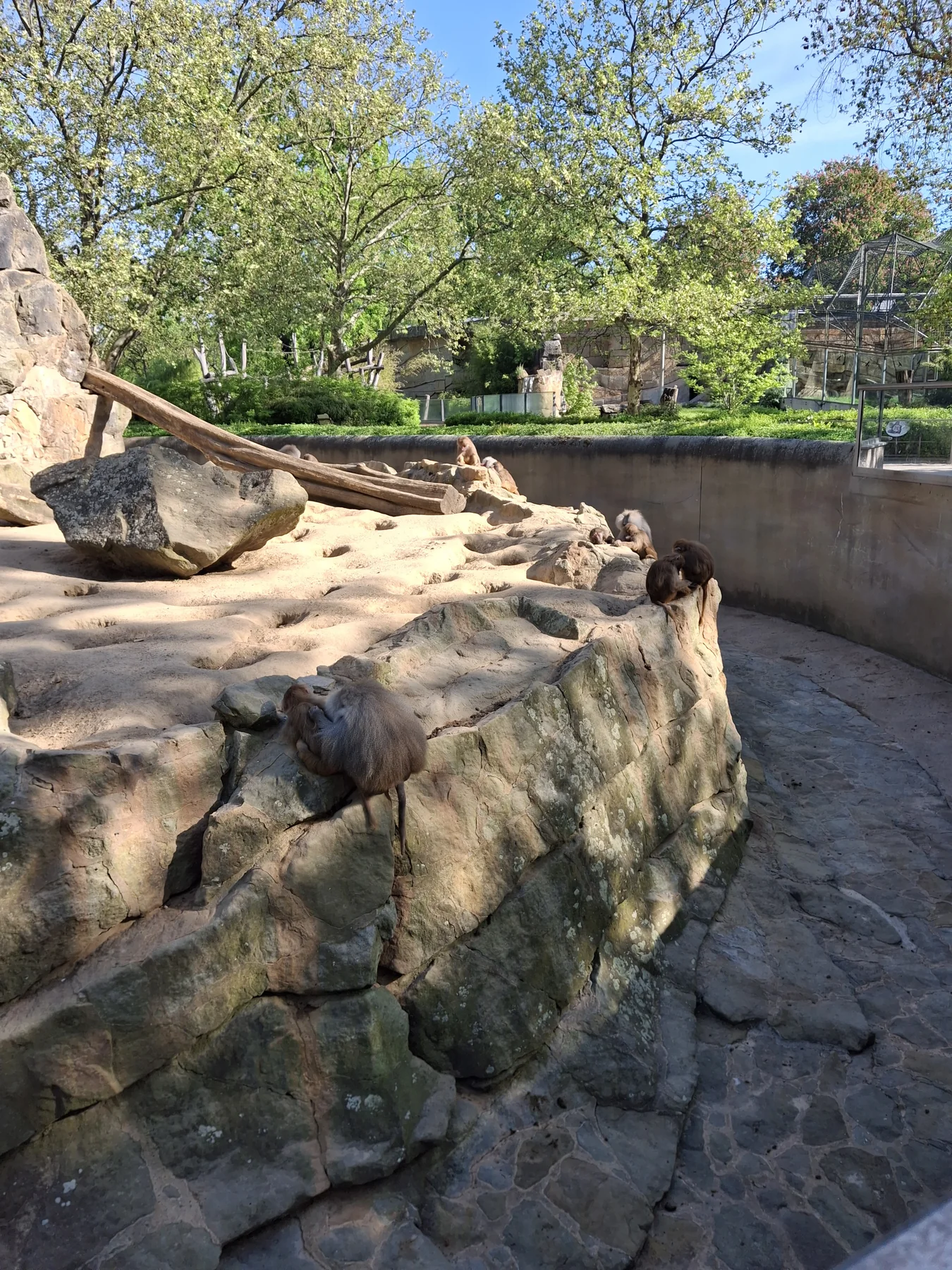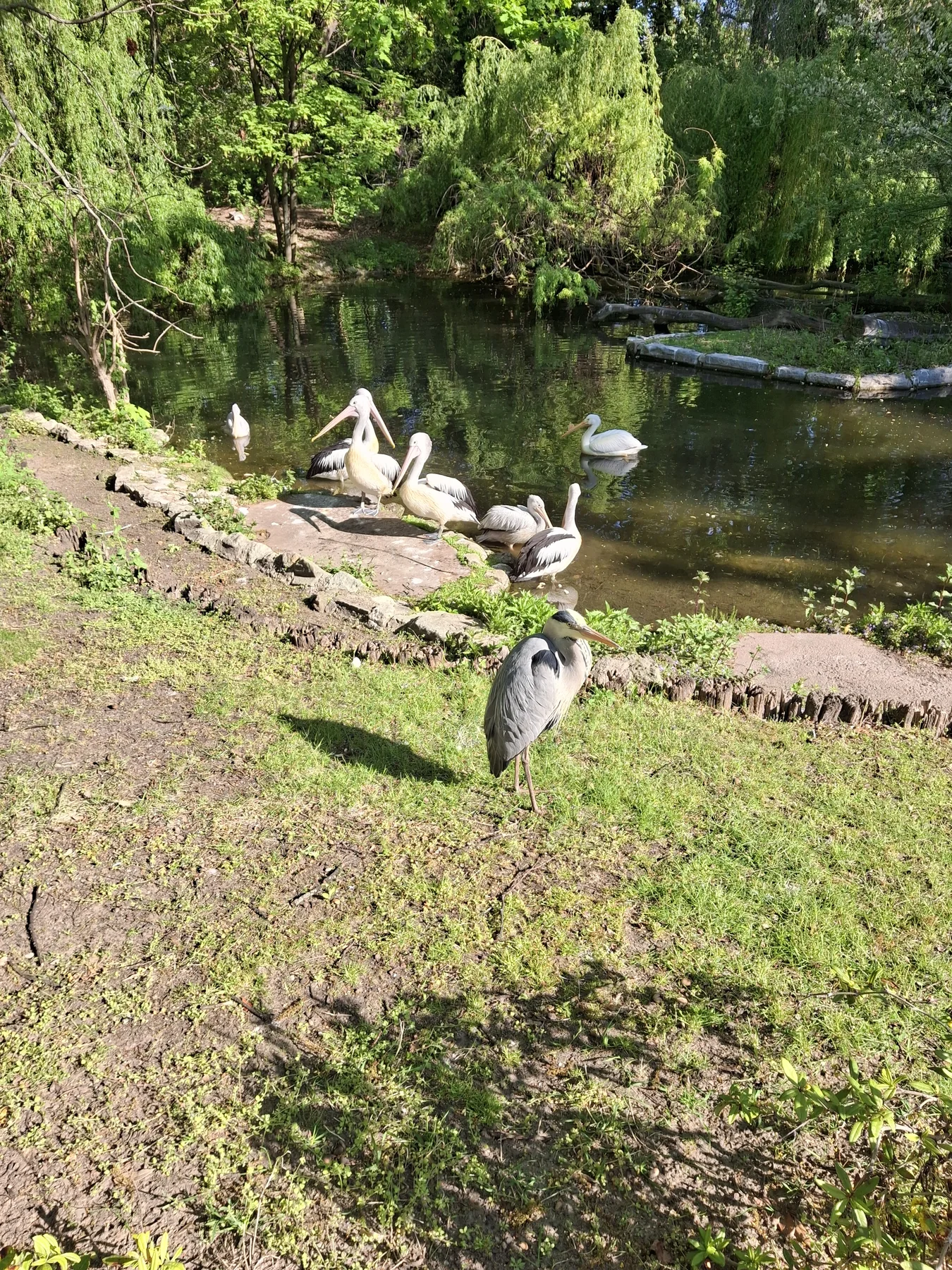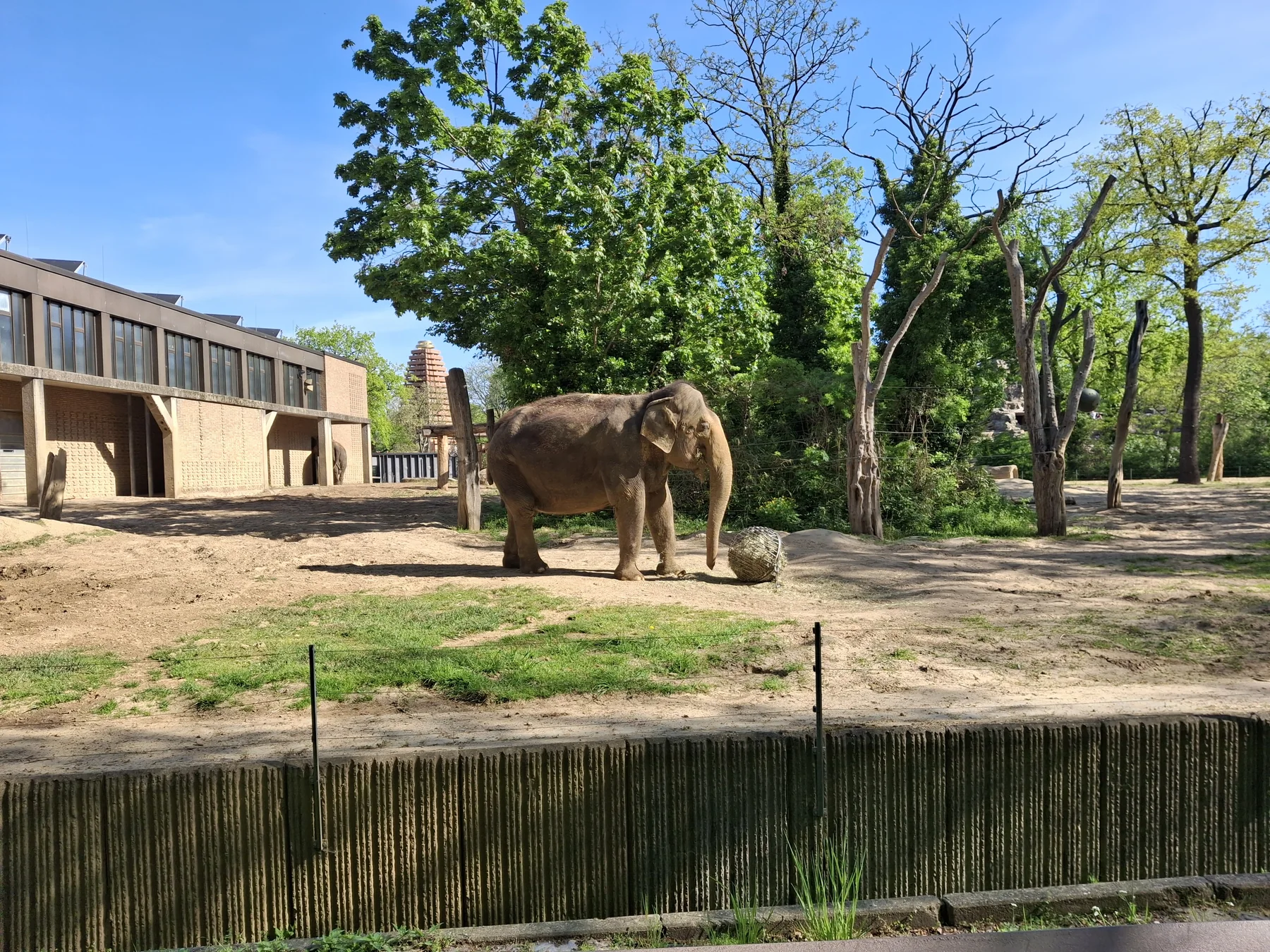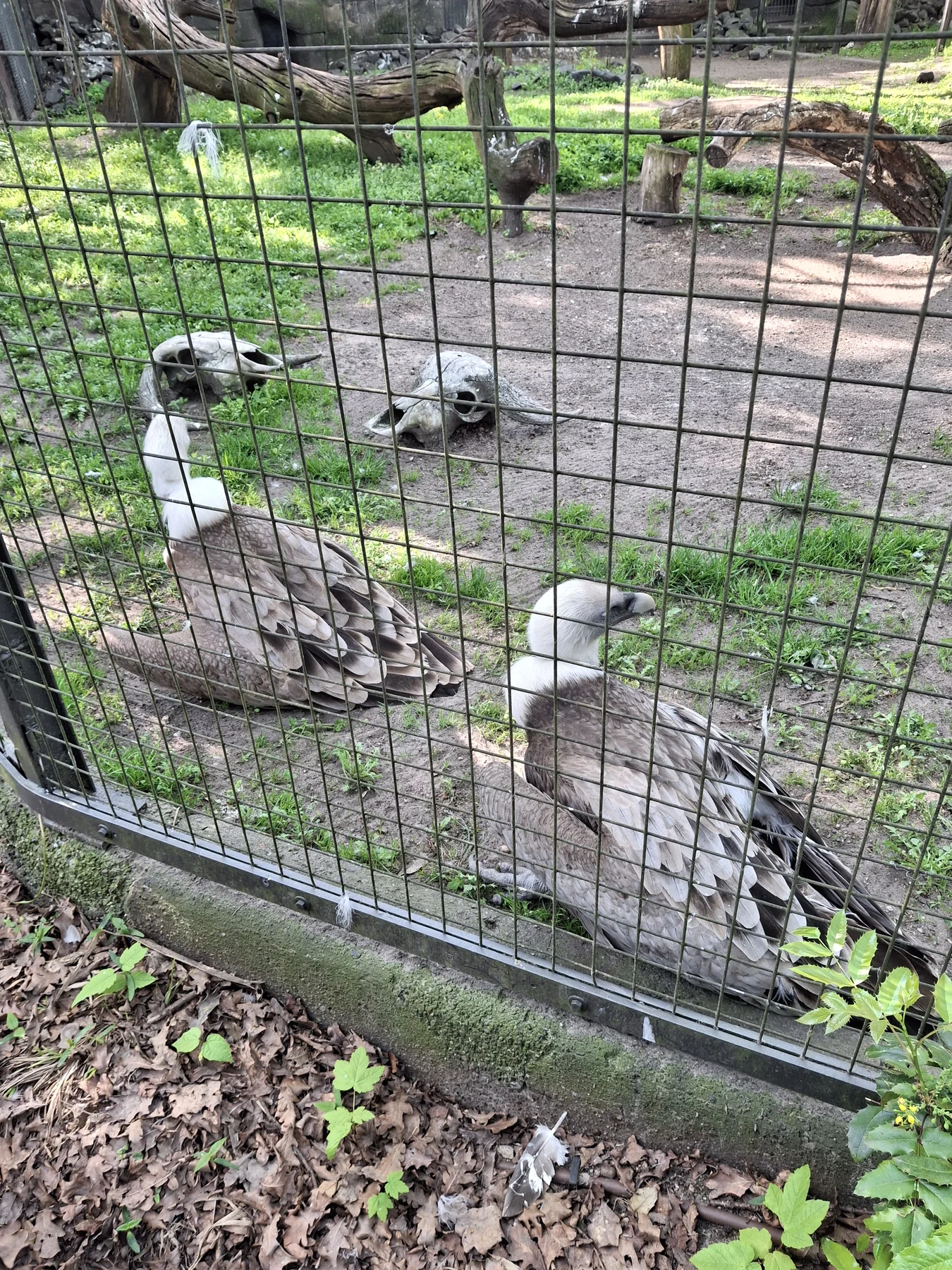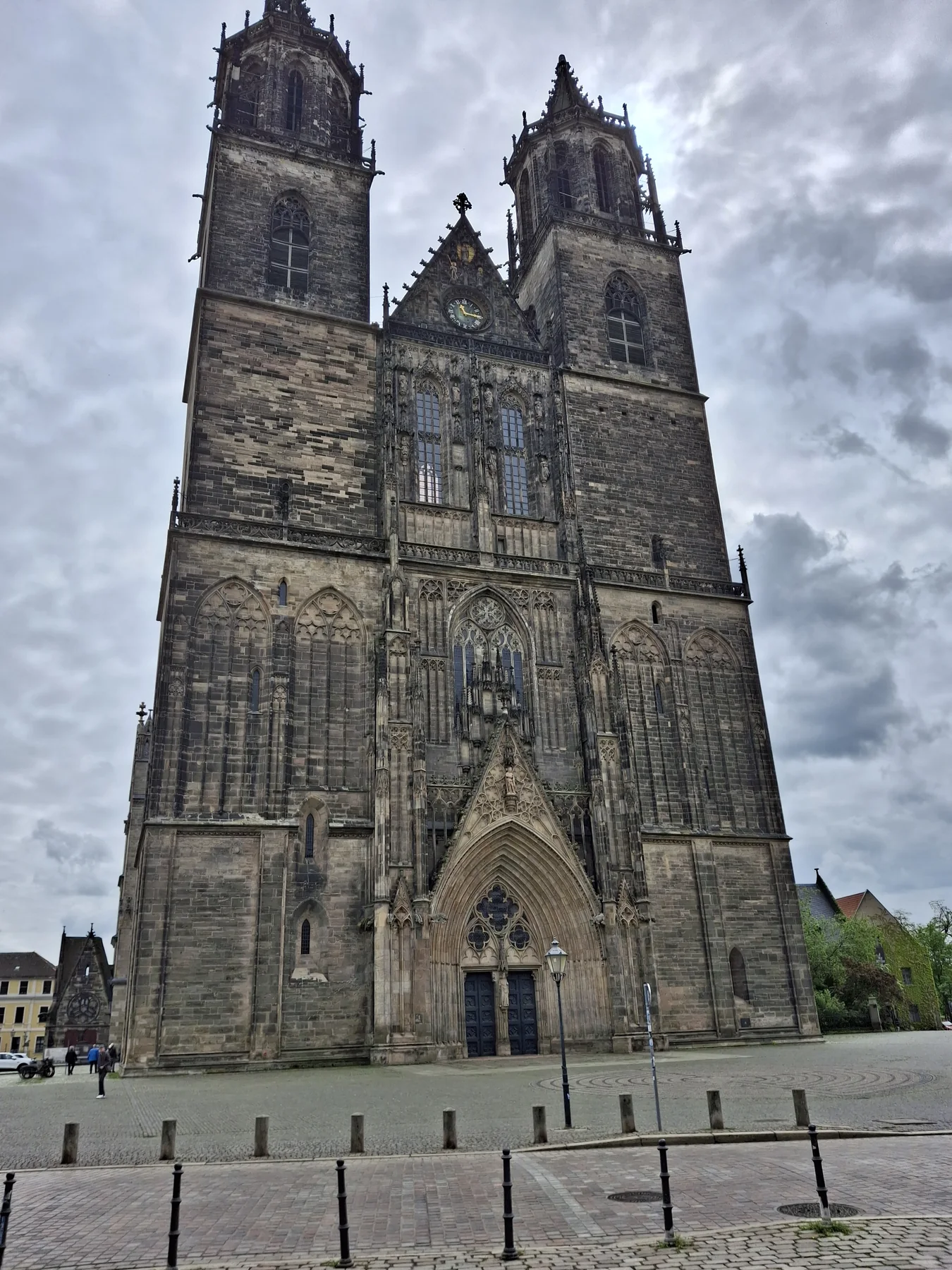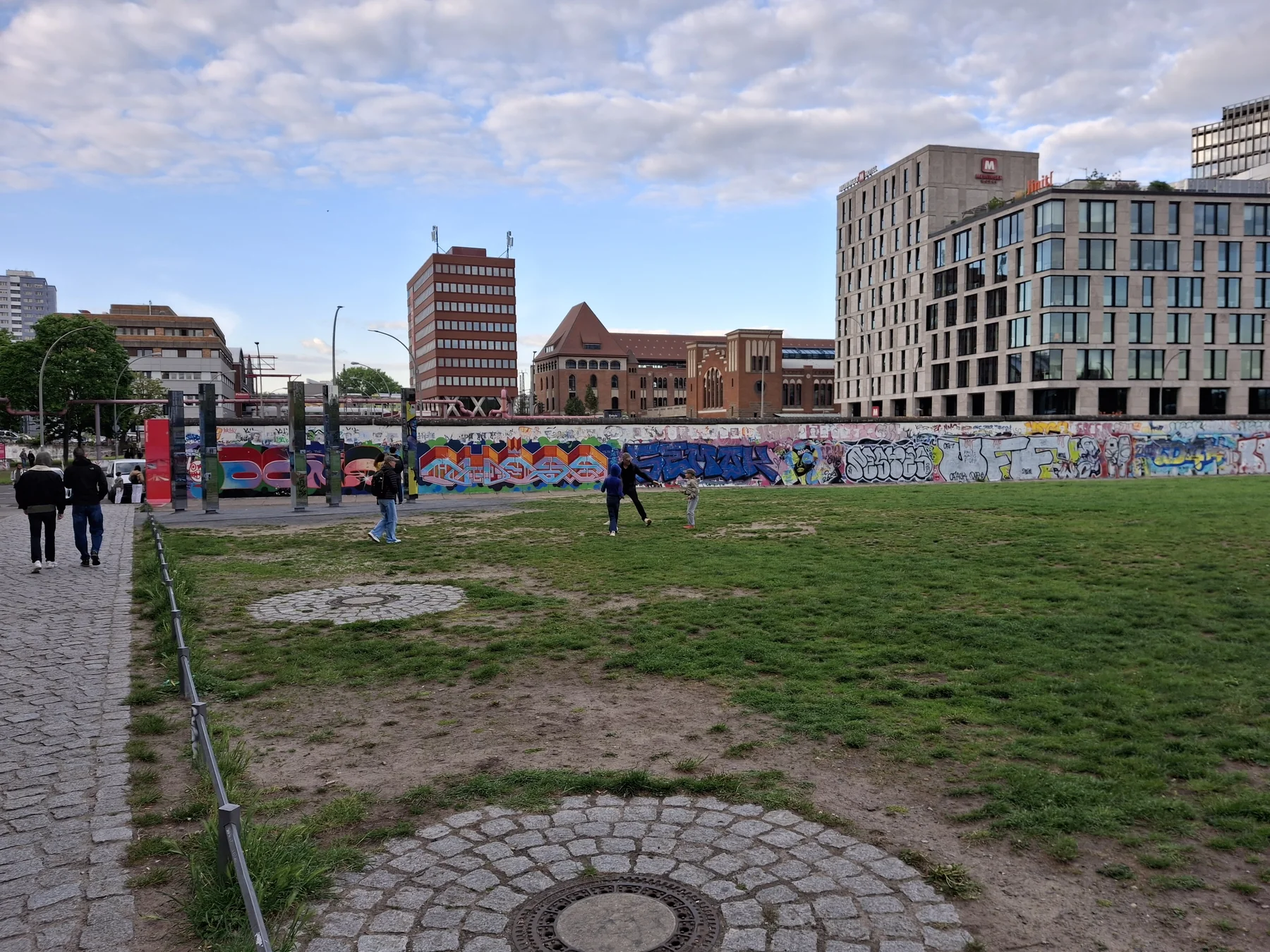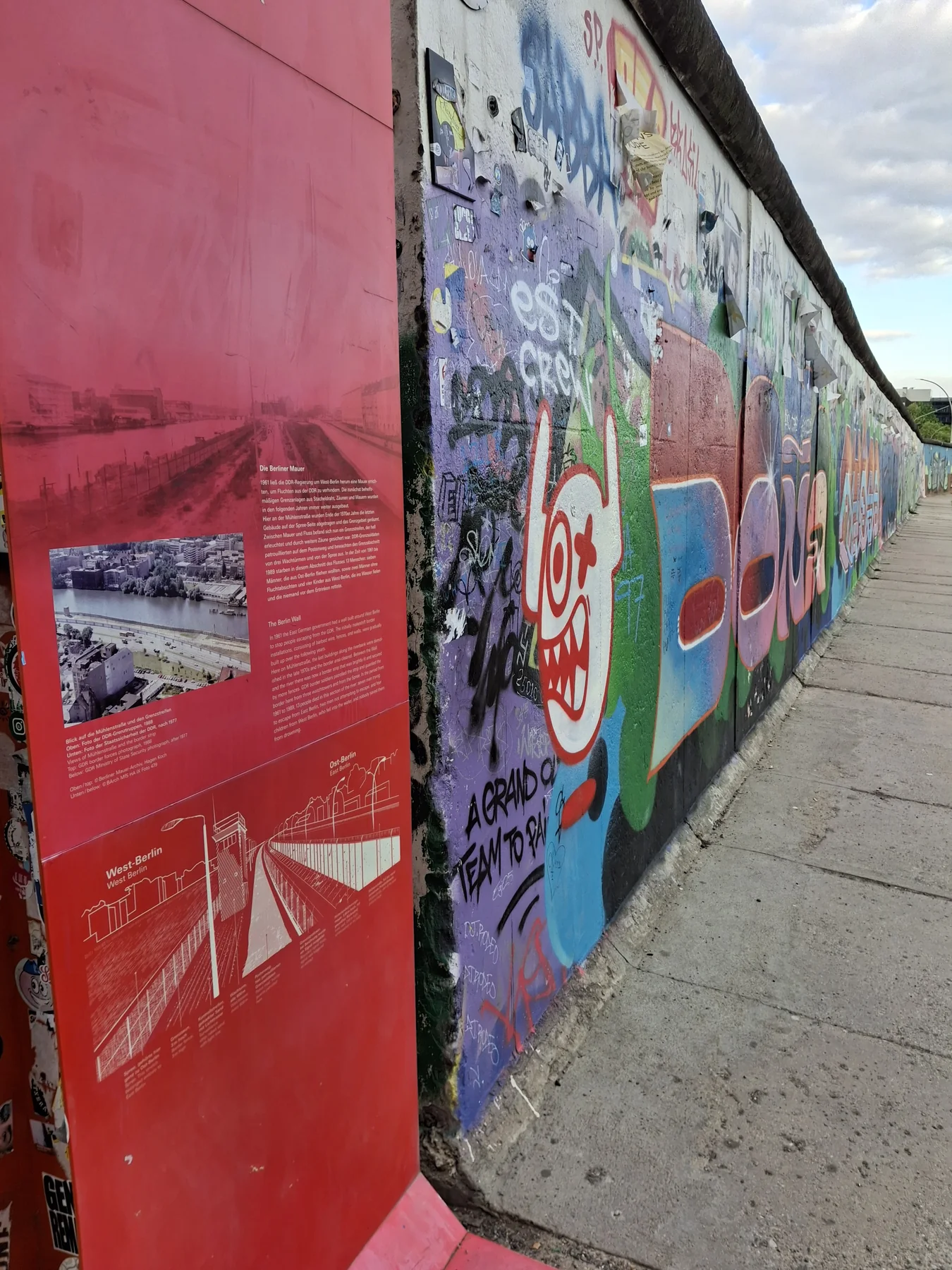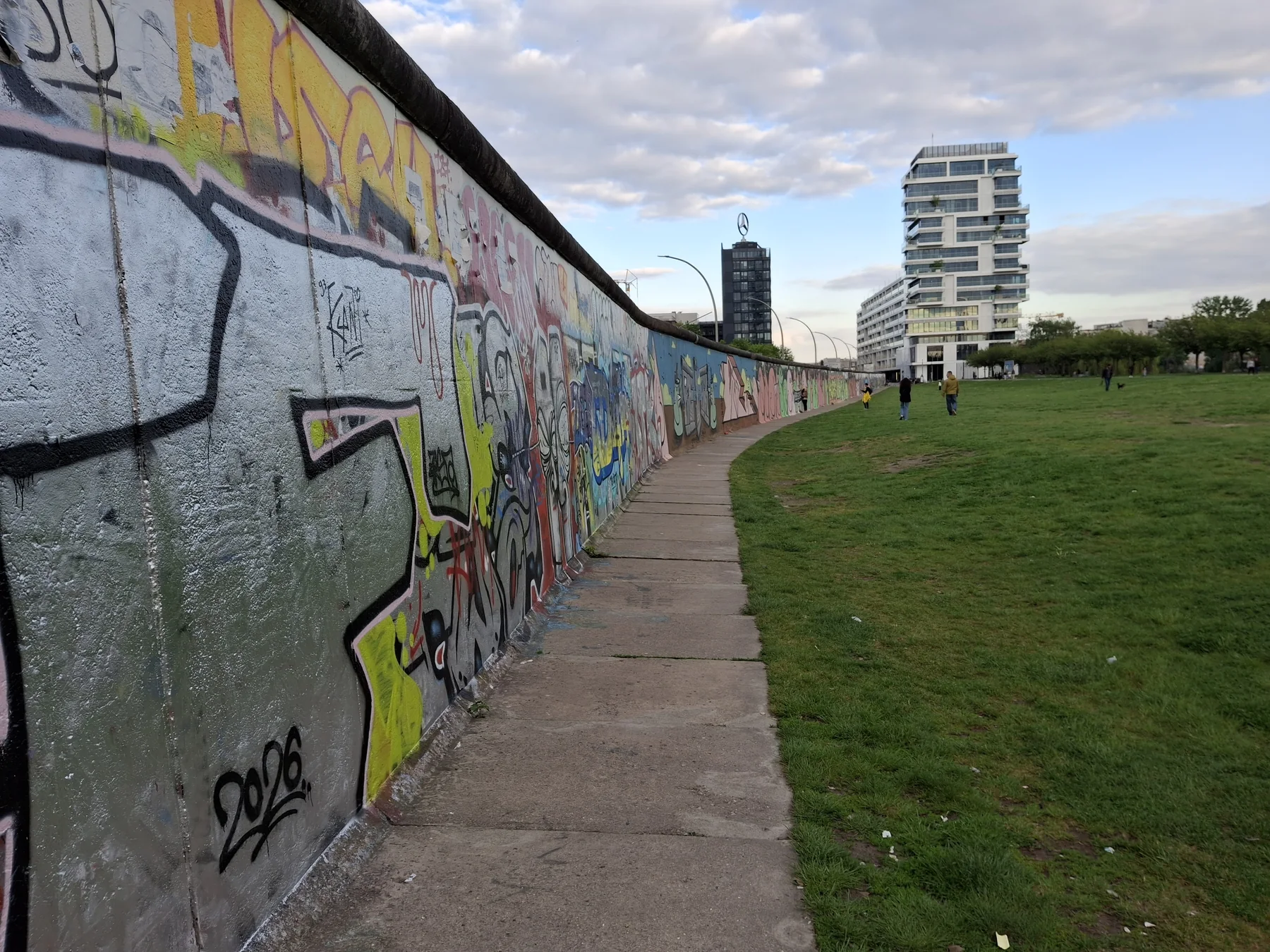
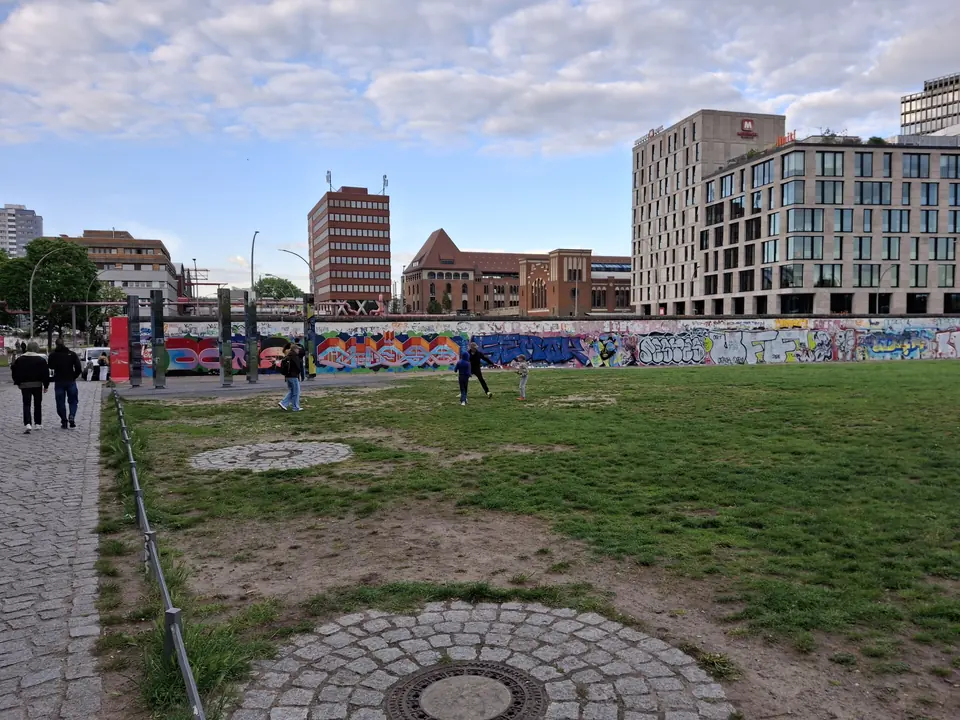
The first two days in Berlin felt like a slow immersion into the city before the cycling journey began.
It started on Museum Island, moving between the Old Museum, New Museum, and the Old National Gallery, each one adding a different layer of Berlin's history, from ancient civilizations to classical art. It was less about seeing museums and more about letting the city's past settle in step by step.
From there, the walk naturally led to Brandenburg Gate and down Unter den Linden, where the city opens up into long, confident lines of architecture and movement. Even the modern interruption, a Volkswagen exhibition along the same boulevard, felt like part of the same conversation between history and present-day Germany.
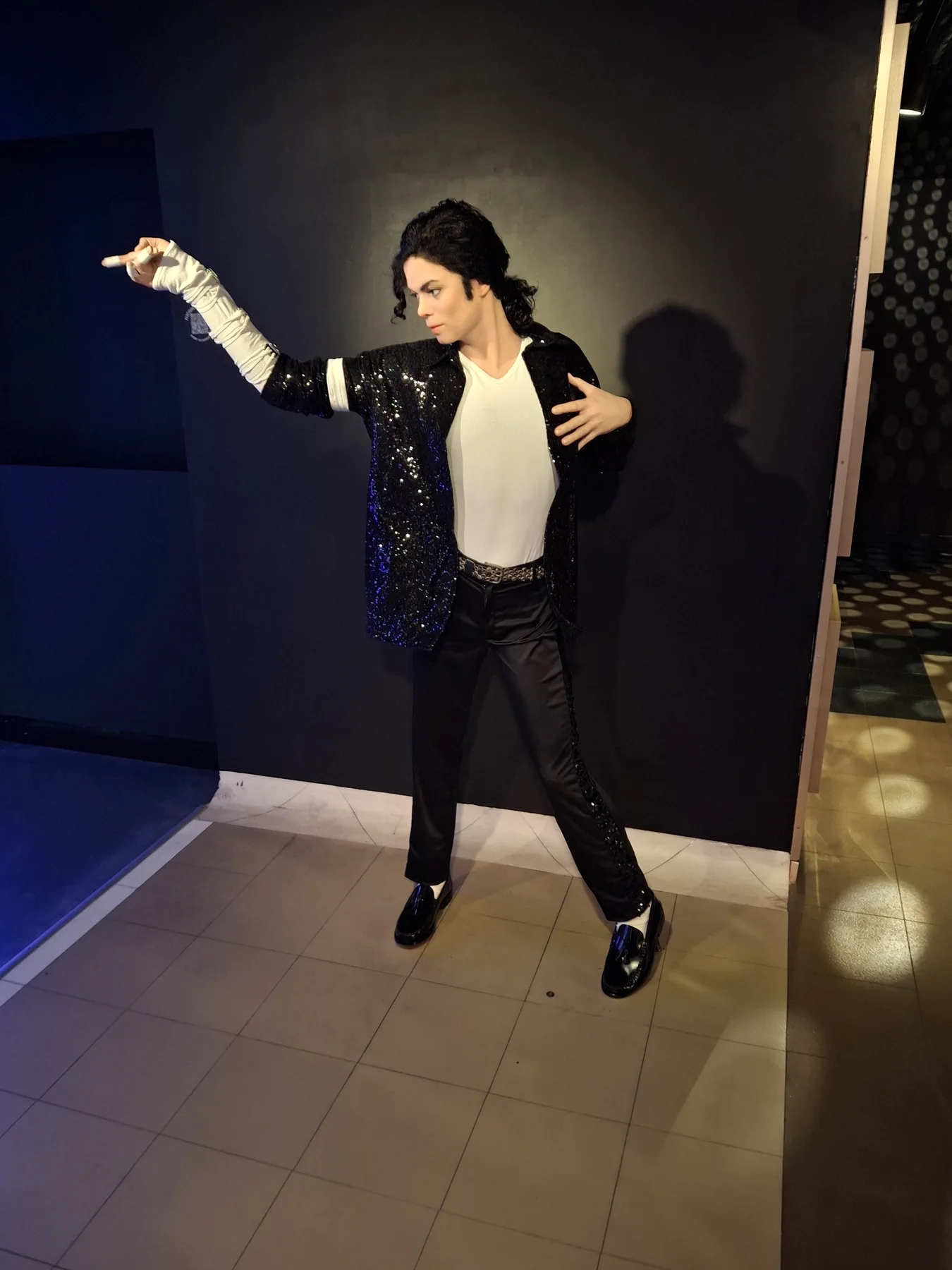
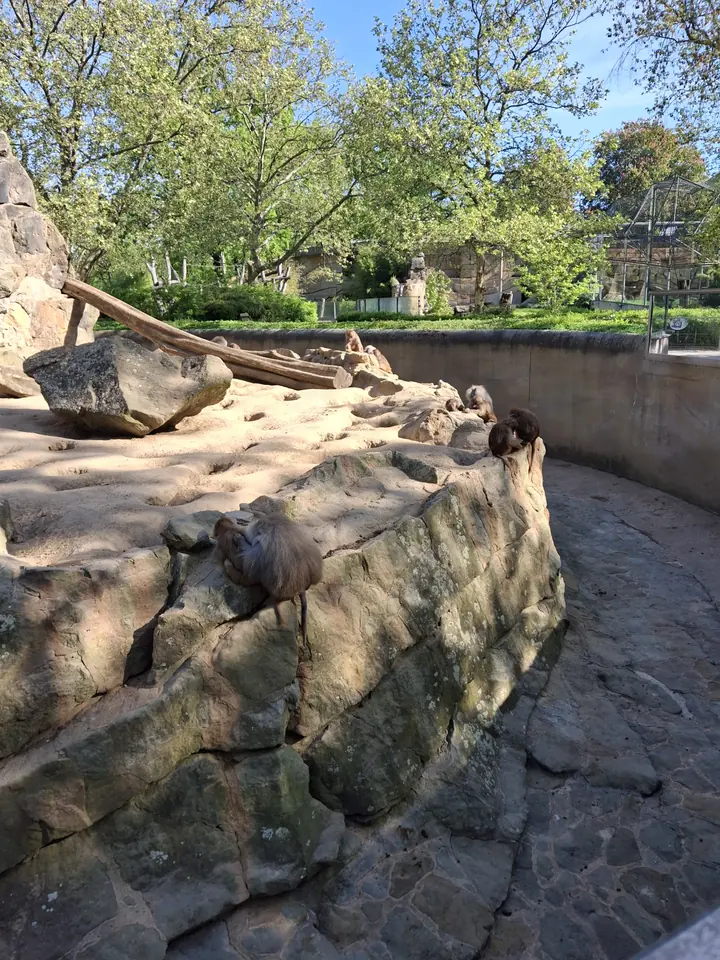
The rhythm changed completely at the Berlin Zoo, where the pace slowed and the day felt more playful and unstructured. Later, Madame Tussauds offered a lighter, almost surreal stop: faces of history and pop culture gathered in one quiet, artificial crowd.
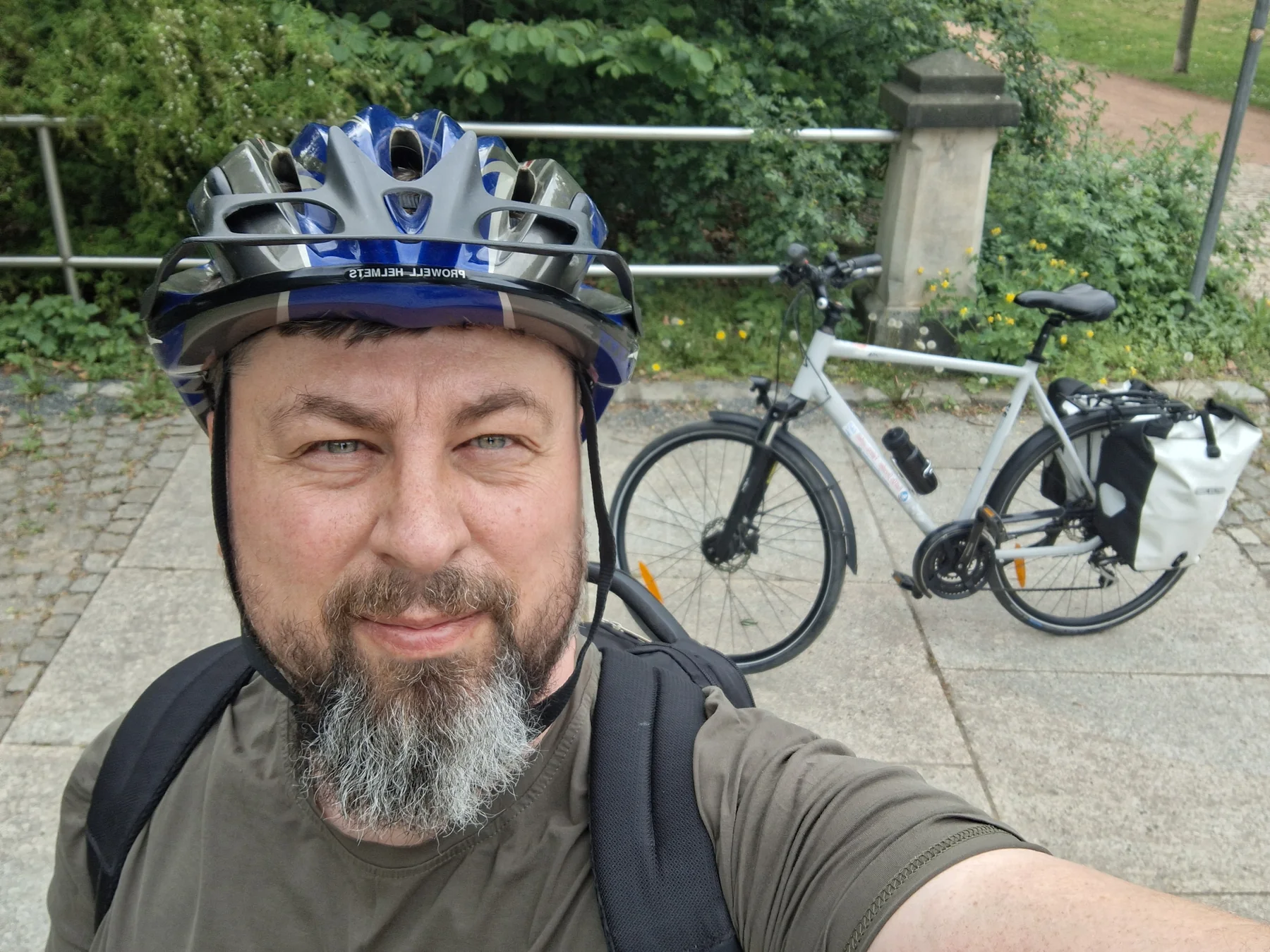
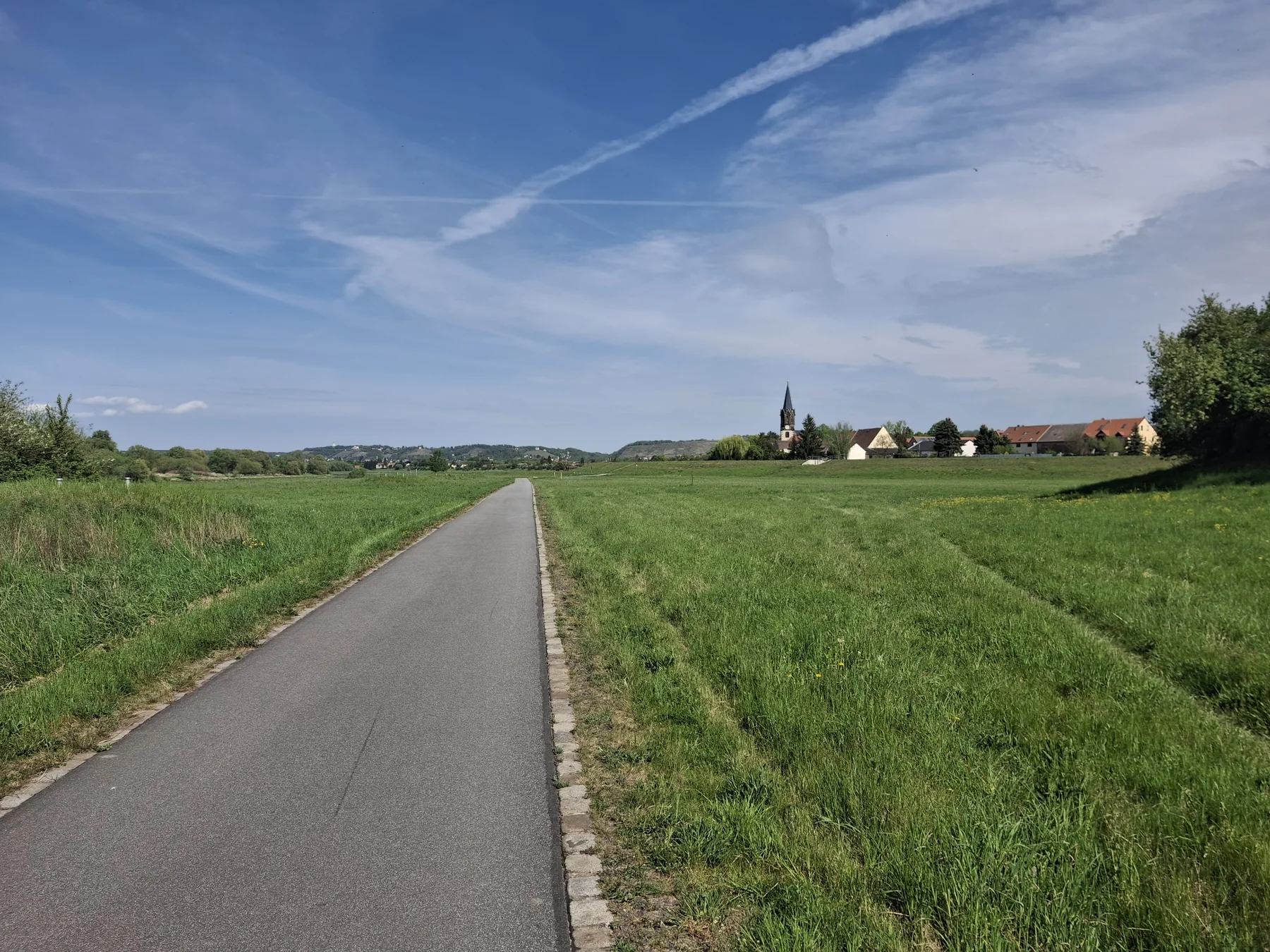
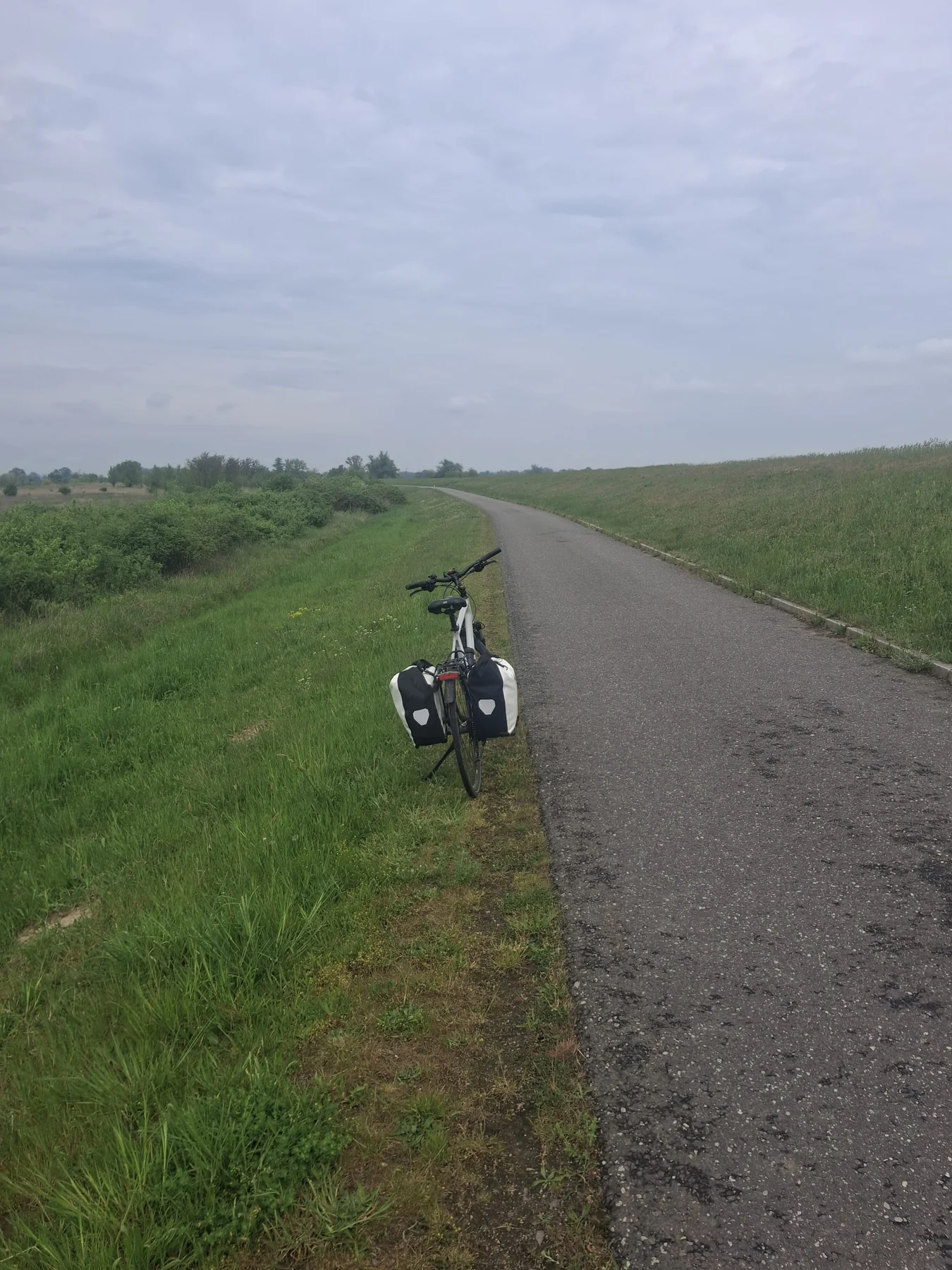
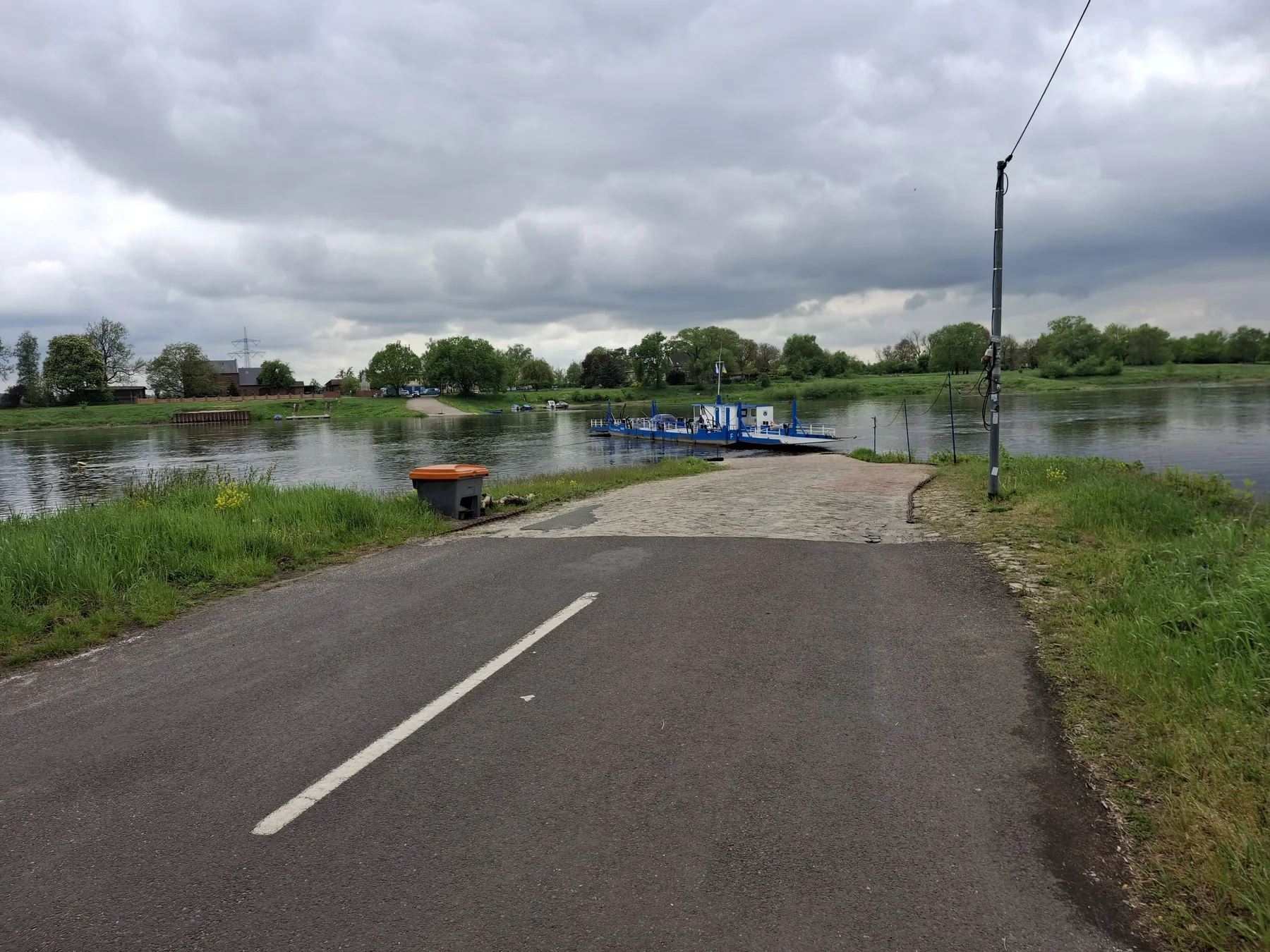
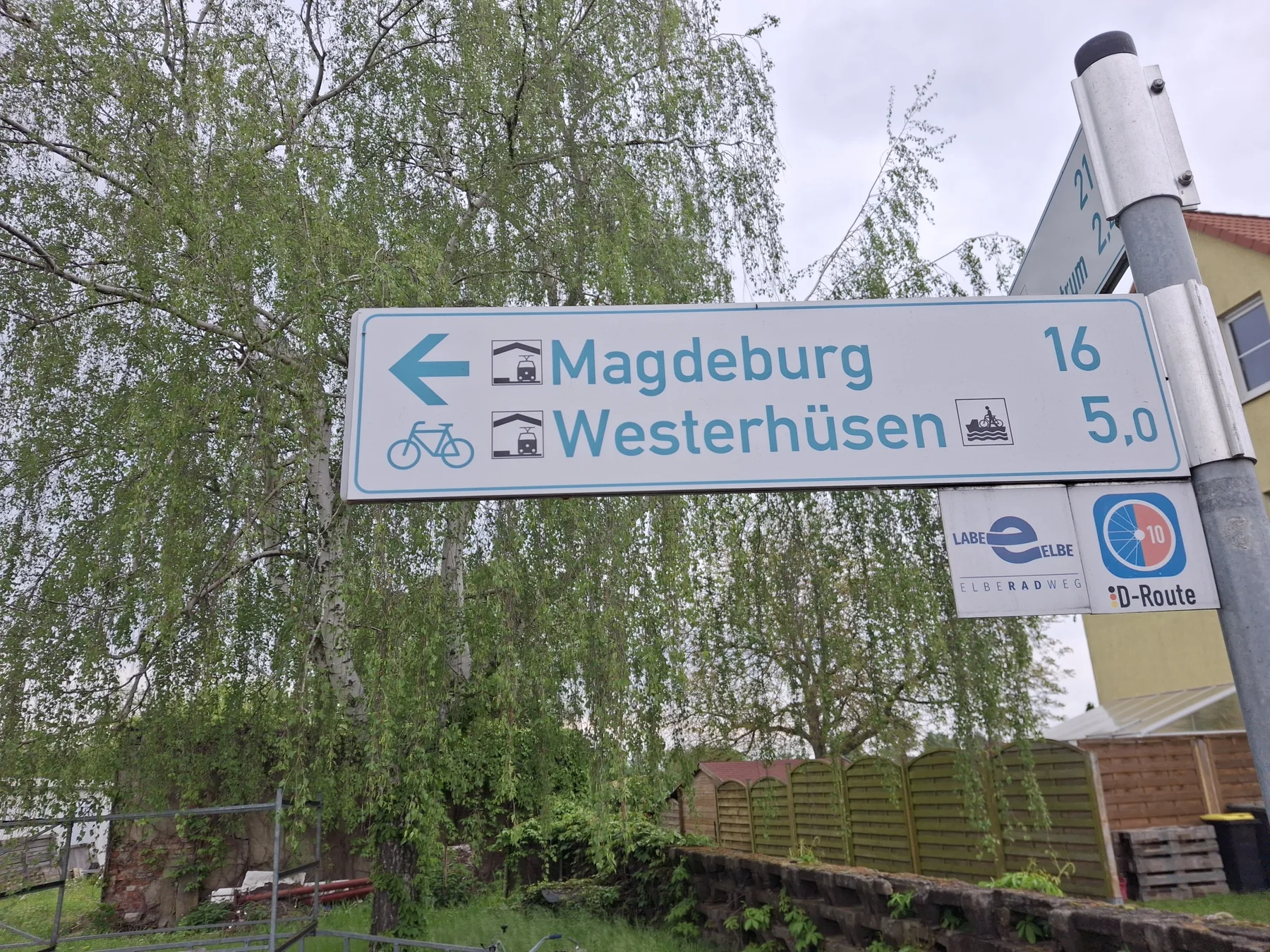
By the end of these two days, Berlin had shifted from a list of landmarks into something more fluid: a city experienced in layers, preparing the transition from urban intensity to the open rhythm of the Elbe Radweg journey ahead.